
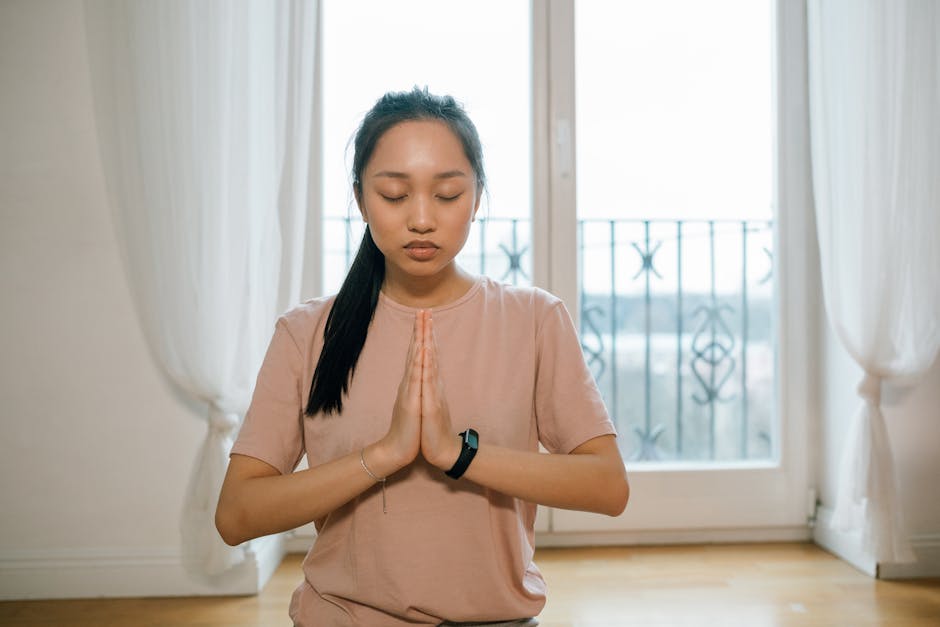
“Self-care” doesn’t always need a full evening, a new routine, or expensive products. In real life, the most sustainable wellness upgrades are often micro-resets: small, repeatable actions you can do in under five minutes to shift your nervous system, focus, or mood—especially between meetings, errands, classes, parenting moments, or commutes.
This roundup collects practical micro-resets you can actually use. Think of it as a menu: pick two or three that fit your days, then rotate them based on what you need (calm, energy, clarity, or connection).
What Is a “Micro-Reset,” and Why Does It Work?
A micro-reset is a short intentional pause that changes your state—physically (breathing, posture, movement), mentally (attention, planning), or emotionally (reassurance, gratitude, connection). These work because your brain and body respond to small cues quickly: a slower exhale can nudge your stress response down; a tiny movement break can restore alertness; a brief “closing ritual” can signal completion and reduce mental clutter.
One helpful way to think about it: you’re not trying to “fix your life” in five minutes—you’re simply trying to prevent stress from accumulating unchecked.
Roundup: 17 Micro-Resets You Can Do in Under 5 Minutes
1) The 30-Second Exhale Extension
When to use: after a stressful email, before a difficult conversation, or anytime your chest feels tight.
- Inhale through your nose for 4 seconds.
- Exhale slowly for 6–8 seconds.
- Repeat 3–5 times.
Why it helps: a longer exhale is a simple way to encourage downshift in arousal.
2) “Doorway Decompression” (A Transition Ritual)
When to use: moving between rooms, leaving work, coming home, entering the gym.
- Put one hand on the doorframe.
- Take one slow breath and silently label what you’re leaving (“work mode”) and what you’re entering (“home mode”).
Real-world example: if you work from home, do this before and after lunch to stop the day from blurring into one long task.
3) The “Two-Tab Rule” for Digital Overwhelm
When to use: when your browser turns into a stress museum.
- Close everything until only two tabs remain: the one you’re working on + the reference you truly need.
- Bookmark the rest into a folder named “Later (Friday).”
Tip: schedule a weekly 10-minute “Friday Later” review to prevent link hoarding.
4) 10 Deep Neck Rolls (The Desk Reset)
When to use: after 45–90 minutes at a screen.
- Roll your shoulders back 10 times.
- Gently tilt ear to shoulder for 3 breaths each side.
- Look left/right slowly 5 times.
Actionable add-on: if you wear headphones often, do this every time you take them off.
5) The “Sip + Sight” Hydration Reset
When to use: mid-afternoon slump.
- Take 6 slow sips of water or tea.
- Between sips, look at something 20 feet away to relax near-focus strain.
Why it helps: it’s a two-for-one: a hydration nudge plus a quick visual break from screens.
6) 60-Second Tidy: Only One Surface
When to use: when clutter increases anxiety but you don’t have time to clean.
- Set a timer for 60 seconds.
- Clear just one surface (nightstand, kitchen counter, desk corner).
Real-world example: if mornings are chaotic, do a 60-second kitchen counter reset before bed so breakfast feels calmer.
7) The “No-Replay” Thought Interruption
When to use: when you catch yourself replaying a moment (what you should have said, a cringe memory).
- Say (out loud if possible): “Not useful right now.”
- Shift attention to one sensory detail: feet on the floor, cool air, a sound in the room.
Tip: the phrase matters less than consistency. You’re training a cue to exit the mental loop.
8) The “One-Sentence Journal”
When to use: before bed, after a stressful call, or after finishing a task.
- Write one sentence: “Right now I feel ___ because ___.”
- Then one sentence: “The next kind thing I can do is ___.”
Why it helps: naming emotion reduces mental noise, and the second sentence converts insight into action.
9) A Micro-Walk With a Purpose
When to use: after back-to-back meetings or study sessions.
- Walk for 3 minutes.
- Pick a goal: sunlight, stairs, or “walk to fill my water bottle.”
Data point you can track: note your focus level (1–10) before and after for a week; keep the walks that move the needle.
10) The “3-Item Grocery Add” (Nutrition Without Meal-Prepping)
When to use: when you’re too busy to plan meals but want better defaults.
- Add one fruit you’ll actually eat.
- Add one protein you can grab quickly (Greek yogurt, tofu, eggs, rotisserie chicken).
- Add one “high-leverage veg” (bagged salad, frozen broccoli, baby carrots).
Real-world example: bagged salad + rotisserie chicken + lemon/olive oil becomes dinner in under 3 minutes.
11) The 90-Second “Inbox Gatekeeper”
When to use: when email makes you feel reactive.
- Scan your inbox for 90 seconds only.
- Flag just three messages: urgent, important, easy win.
- Close email and do one of the three.
Why it helps: reduces decision fatigue and shifts you from “responding” to “choosing.”
12) The “Warm Start” for Difficult Tasks
When to use: procrastination spirals.
- Set a 3-minute timer.
- Do the smallest possible version of the task (open the doc, title it, write 2 bullet points).
Tip: stop when the timer ends if you want to. The win is lowering the start barrier.
13) A Social Micro-Connection (Without a Whole Conversation)
When to use: when you feel isolated but busy.
- Send a two-line message: “Thinking of you. No need to reply—hope today is treating you gently.”
- Or voice note: 20 seconds, one specific compliment or memory.
Why it helps: connection doesn’t require a long call; it requires consistency and warmth.
14) “Caffeine With a Guardrail” Reset
When to use: when your third coffee is calling your name.
- Before a refill, do 10 bodyweight squats or a 60-second walk.
- Then decide: coffee, half-caf, or water.
Real-world example: many people aren’t under-caffeinated—they’re under-moved. Try movement first once per day.
15) The “Sunday Scaries” Anti-Loop Kit (5 Minutes Total)
When to use: late Sunday afternoon or the night before a big week.
- Write 3 bullets: what must happen, what can wait, what you’re excited about.
- Pick one tiny prep step (lay out clothes, charge devices, prep lunch components).
For more ideas about building calmer week transitions, see lifestyle coverage and practical mental-health resources at Refinery29’s wellness section, which frequently publishes actionable guidance and first-person strategies that make routines feel more human and attainable.
16) The “Scent Anchor” (Instant Context Switch)
When to use: switching from work to rest, or after a stressful commute.
- Choose one scent for calm (lavender hand cream, herbal tea, a soap you love).
- Use it only during the same type of reset so your brain learns the association.
Tip: keep it subtle—this works best when it’s consistent, not overpowering.
17) The “Win Log” (Two Lines)
When to use: end of day, or right after finishing something you’ve been avoiding.
- Line 1: “What I did today that counts: ___.”
- Line 2: “What I’m doing tomorrow to make life easier: ___.”
Why it helps: it trains your attention to notice progress and reduces the “I did nothing” feeling.
How to Build Your Personal Micro-Reset Menu
To make micro-resets stick, design them like a playlist:
- Pick 2 for mornings: one physical (breath, stretch) + one logistical (two-tab rule, inbox gatekeeper).
- Pick 2 for afternoons: one energy reset (micro-walk) + one focus reset (warm start).
- Pick 1 for evenings: one-sentence journal or win log.
- Attach them to triggers: after you make coffee, after you close a meeting, when you enter your home.
Practical rule: if a reset takes more than five minutes, it’s no longer a micro-reset—save it for a weekly routine instead.
Conclusion: Small Resets, Big Momentum
The micro-reset lifestyle isn’t about perfect routines—it’s about having tiny, reliable tools that keep stress from stacking up. Start with one transition ritual and one physical reset this week. Notice what changes (sleep, mood, patience, focus), then expand your menu slowly. In a world that constantly speeds you up, a five-minute pause—done on purpose—can be a surprisingly powerful way to get your rhythm back.
Leave a Reply