
Why “glucose-friendly” is trending (and why it matters even if you’re not diabetic)
Interest in continuous glucose monitors (CGMs), “blood sugar hacks,” and energy stability has surged because people are connecting the dots between glucose swings and everyday symptoms: mid-afternoon crashes, intense cravings, brain fog, and sleep disruption. While glucose management is medically critical for people with diabetes, smoother glucose curves can also help many generally healthy adults feel steadier and more in control of appetite and energy.
This roundup gathers practical, evidence-informed strategies you can test in real life—without extreme dieting. Think of it as building a “glucose-friendly day”: small choices that reduce the size and frequency of big spikes.
Quick baseline: what counts as a spike?
Individuals vary, but in CGM studies and real-world wearables, people often see large spikes after fast-absorbing carbohydrates (e.g., sweet drinks, refined grains) eaten alone. A helpful self-check (if you don’t wear a CGM) is: do you feel hungry again 60–90 minutes after a carb-heavy meal, or hit a sudden energy dip? That pattern often aligns with a fast rise and fall in blood glucose.
If you want a reputable primer on blood sugar basics, symptoms of highs/lows, and related conditions, Healthline’s blood sugar resources can help you understand the bigger picture before you experiment.
The Roundup: 12 glucose-friendly habits you can mix and match
1) Start with a “protein anchor” at breakfast (or your first meal)
Why it helps: Protein slows digestion, supports satiety hormones, and can reduce the urge to chase quick carbs later.
Actionable ideas (15 minutes or less):
- Greek yogurt + berries + chopped nuts
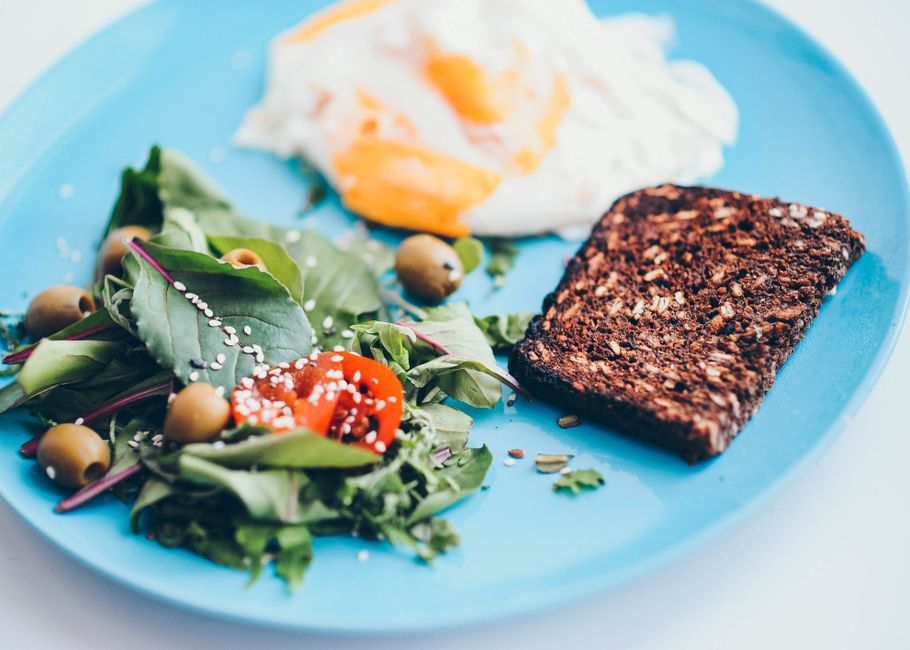
- Eggs + sautéed spinach + a slice of whole-grain toast
- Tofu scramble + salsa + avocado
Real-world example: If your typical breakfast is a bagel and coffee, try “bagel + eggs” instead of bagel alone. Keep the bagel—just add a protein anchor.
2) Add fiber, don’t just remove sugar
Why it helps: Fiber slows carbohydrate absorption and feeds beneficial gut microbes. Many adults fall short of the 25–38 grams/day often recommended by public health guidance.
Easy upgrades:
- Swap white rice for lentils or a 50/50 mix of rice + beans
- Add chia or ground flax to oats or yogurt
- Choose whole fruit over juice (more fiber, slower absorption)
Data point: Even adding one cup of beans can contribute ~12–15g of fiber depending on the variety—often close to half a day’s target for many people.
3) Use the “meal order” trick: veggies first, carbs last
Why it helps: Eating non-starchy vegetables and protein before starchy carbs can slow gastric emptying and blunt the glucose rise.
Try it tonight: Start dinner with a salad or roasted vegetables, then eat your protein, then finish with pasta, potatoes, or bread. No special foods required—just a sequence.
4) Take a 10–15 minute walk after meals
Why it helps: Light movement prompts muscles to use glucose, reducing post-meal peaks. This is one of the most consistently “high return” habits because it doesn’t require dietary restriction.
Make it real: Set a timer for 12 minutes and walk around your block, office, or even inside a large building. If you have meetings, pace during phone calls.
5) Rethink your drinks: liquid carbs hit fast
Why it helps: Sugary beverages deliver carbohydrates without fiber and are absorbed rapidly.
- If you like soda: try sparkling water + a splash of juice + citrus
- If you like sweet coffee: reduce syrup/pump volume by half and add cinnamon or vanilla extract
- If you train hard: reserve sports drinks for longer sessions; for short workouts, water is often enough
Practical cue: If you can drink it in under 60 seconds, it can often spike in under 60 minutes.
6) Build “balanced plates” using a simple template
Why it helps: Consistent macronutrient balance tends to produce steadier glucose and fewer cravings.
- Half plate: non-starchy vegetables
- Quarter plate: protein (beans, fish, chicken, tofu, eggs)
- Quarter plate: starch (rice, pasta, potatoes, bread) or fruit
- Plus: a thumb of healthy fat (olive oil, nuts, avocado)
Real-world example: Taco night becomes “tacos + big fajita veggie mix + side salad,” rather than just tortillas and rice.
7) Try “carb pairing” instead of carb avoidance
Why it helps: Pairing carbs with protein, fat, and fiber slows absorption.
- Apple + peanut butter
- Crackers + hummus
- Rice cakes + cottage cheese
- Banana + walnuts
Tip: If a snack is mostly carbohydrate, ask: “What’s the pair?”
8) Choose “slow carbs” more often (without obsessing)
Why it helps: Minimally processed carbs (intact grains, legumes, starchy vegetables) generally digest more slowly than refined grains and sweets.
Low-friction swaps:
- Breakfast cereal → steel-cut oats or muesli with added nuts
- White bread → seeded whole-grain bread
- Snack bars → trail mix + fruit
Note: “Whole grain” on a label isn’t a guarantee—scan for fiber (aim for a few grams per serving) and shorter ingredient lists when possible.
9) Use vinegar or citrus strategically (if it agrees with you)
Why it helps: Some research suggests acidic additions (like vinegar) may modestly reduce post-meal glucose rises for certain meals.
- Add vinaigrette to salads before pasta or rice dishes
- Squeeze lemon over fish + potatoes
- Try quick-pickled onions on sandwiches
Safety note: Avoid this if you have reflux or it worsens symptoms; your digestion matters, too.
10) Protect sleep: glucose control is harder when you’re tired
Why it helps: Short or disrupted sleep is linked with reduced insulin sensitivity and increased appetite for high-calorie foods. Translation: poor sleep can make “willpower” feel broken.
Two practical levers:
- Keep a consistent wake time (even if bedtime varies slightly)
- Stop caffeine 8–10 hours before bed if you’re sensitive
Real-world example: If you regularly snack at 10 p.m., test whether moving dinner 30–60 minutes later and building a more filling plate reduces the nightly graze—often a sleep-and-satiety combo issue.
11) Watch “healthy” snacks that are secretly dessert
Why it helps: Granola, flavored yogurt, smoothies, and protein bars can be very high in added sugars or ultra-refined carbs—even when marketed as wellness foods.
What to do instead:
- Buy plain yogurt and add fruit + cinnamon
- Blend smoothies with protein (Greek yogurt, protein powder) and fiber (chia, spinach)
- Choose bars with higher fiber and lower added sugar (compare labels)
Rule of thumb: If it tastes like a cookie, treat it like a cookie—enjoy it intentionally and pair it, rather than assuming it’s a “free” food.
12) Use a “spike-smoothing rescue plan” when you know a carb-heavy meal is coming
Why it helps: Life includes birthdays, travel days, and celebratory dinners. A rescue plan keeps you from thinking in all-or-nothing terms.
- Before: Don’t arrive ravenous—have a protein-forward snack (e.g., yogurt or a handful of nuts)
- During: Eat veggies/protein first; slow down; consider splitting dessert
- After: Walk 10–15 minutes; hydrate; resume normal meals (no punishment fasting)
Real-world example: Pizza night: start with a big salad, eat 1–2 slices slowly, then take a short walk. Many people find this prevents the “pizza coma.”
Optional tools: should you try a CGM?
CGMs are increasingly accessible and can provide powerful feedback—especially for identifying personal triggers (a “healthy” cereal that spikes you, or a meal that keeps you stable). But they can also create anxiety or lead to over-restriction. If you have a history of disordered eating, consider skipping CGM self-experimentation or doing it with guidance from a clinician.
Low-tech alternatives: Keep a 7-day log of meals + energy + cravings + sleep. Look for patterns like “sweet breakfast → 11 a.m. crash” and test one change at a time.
Conclusion: build your own glucose-friendly day—one lever at a time
You don’t need to eliminate carbohydrates or live on perfect salads to support steadier blood sugar. The most sustainable approach is to stack small, repeatable habits: a protein anchor, more fiber, strategic movement, smarter drinks, and sleep protection. Pick two ideas from this roundup for the next week, track how you feel (energy, cravings, focus), and adjust. Consistency beats intensity—and the best “hack” is the one you’ll actually do on an average Tuesday.
Leave a Reply