
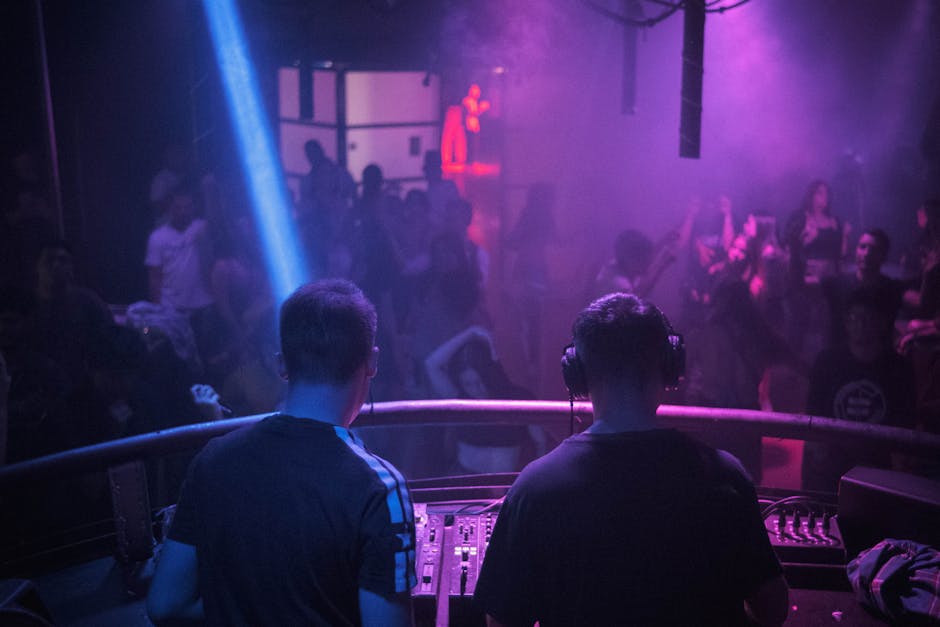
Big music moments rarely arrive out of nowhere anymore. They start as small, highly specific communities—micro-scenes—built around a sound, a platform, a city block, a Discord server, or even a shared production trick. If you’ve felt like “the algorithm” always introduces you to a trend after it peaks, the good news is that micro-scenes are predictable once you know where to look and what signals to track.
This guide breaks down how micro-scenes form, the early indicators that separate a lasting movement from a fleeting meme, and a practical discovery workflow you can use weekly. Whether you’re a fan, DJ, producer, label, or curator, you’ll leave with a repeatable system for finding the next wave early—and supporting it responsibly.
What “micro-scene” means (and why it matters now)
A micro-scene is a tight-knit musical ecosystem defined by a shared aesthetic and an active social layer. It’s not just a “genre.” It’s a set of behaviors: where people find the music, how they talk about it, what visuals they use, what clubs/streams they show up for, and which creators are considered tastemakers.
Micro-scenes matter because they’re how music scales in a fragmented attention economy. Instead of one monoculture, you get hundreds of fast-moving subcultures—each capable of launching a breakout artist if the network effects hit.
Micro-scenes thrive because distribution got unbundled
Fans don’t rely on one radio station or one MTV-style funnel. Discovery is spread across TikTok sounds, YouTube channels, playlist ecosystems, Bandcamp tags, niche subreddits, Twitch streams, IRL parties, and private group chats. As a result, scenes can flourish without mainstream validation—until they suddenly don’t need it.
How micro-scenes actually form: a simple 4-part model
Most emerging scenes follow a pattern you can track:
- 1) A tool or constraint creates a sound: a plugin preset, a drum kit, a cheap synth, a platform trend, or a production limitation (phone mic vocals, sample packs, DAW workflows).
- 2) A social container forms: Discord, Telegram, TikTok comment clusters, a local party, a label’s community, a YouTube channel, or a recurring radio show.
- 3) A visual language appears: cover art cues, fashion, video edits, typography, meme formats. This makes the scene “legible” to outsiders.
- 4) A few bridges connect it outward: DJs playing edits, playlist curators, collabs with adjacent scenes, or a journalist covering it.
If you can spot steps 2–4 early, you can spot the movement early.
7 early signals that a micro-scene is about to break
Not every buzz deserves your time. Use these signals to separate durable scenes from one-week spikes.
1) The “three-platform pattern”
If you see the same artists or sound showing up in three different platform ecosystems—for example: TikTok clips + Bandcamp releases + YouTube live sets—that’s a stronger signal than viral numbers on one platform alone. Multi-platform presence usually means the community exists beyond one recommendation engine.
2) A shared vocabulary in comments
When fans start using consistent shorthand (names for a drum pattern, a synth tone, a dance move, or a mood descriptor), a scene is consolidating identity. Look for repeated phrases and in-jokes. This is often more predictive than follower counts.
3) DIY events with documentation
Scenes become real when they become physical (or at least scheduled). Watch for small recurring nights, pop-up parties, community livestreams, and college-radio takeovers—especially when attendees upload clips. Event footage is social proof that an audience exists off-platform.
4) Producers sharing “how it’s made”
When creators start posting breakdowns, sample packs, patch notes, and tutorial snippets, it signals a maturing scene. Knowledge transfer accelerates the sound and pulls in new participants.
5) Remixes and edits outnumber originals
This seems counterintuitive, but it’s important. When lots of people are remixing one another, it means a shared musical grammar exists. Strong scenes are collaborative, not isolated.
6) “Small press” coverage appears first
Local blogs, campus stations, and niche newsletters often spot scenes earlier than major outlets. Once bigger publications take notice, the wave is usually underway. Keeping an eye on the broader music conversation—interviews, year-end lists, and scene reports—can help you confirm whether the momentum is turning into a story. For ongoing industry context and artist coverage, a useful reference point is Rolling Stone’s music section.
7) A “sound-alike” layer emerges
When you start hearing second- and third-tier acts adopting the same style, it means the sound is no longer just a few innovators—it’s becoming a template. This is often the last stage before mainstream recognition.
Real-world examples of micro-scene dynamics (and what to learn from them)
Rather than name a single “next big thing” (which can age badly), here are patterns drawn from recent scene growth cycles.
Example A: Platform-native edits becoming club staples
Short-form-friendly edits—tight intros, big drops, instantly recognizable samples—often start as online audio memes and then migrate into DJ sets. The key takeaway: when DJs begin testing platform-native edits in real rooms, the scene gains durability. If you’re watching a sound, look for it in tracklists and live clips, not just in viral audio pages.
Example B: Hyper-local scenes going global through video
Some of the fastest-rising micro-scenes come from a specific local circuit (a neighborhood party series, a cluster of studios, a regional dance style). What turns them global is consistent, recognizable video documentation—same lighting style, same crowd energy, the same sonic signature. The lesson: visual consistency accelerates musical discovery. If you’re an artist, your performance clips can be as important as your releases.
Example C: Producer-forward communities where the audience is other creators
In many emerging scenes, the first “fans” are producers. They trade project files, drum kits, and techniques. This creator-first phase can look small in public metrics, but it’s often where the sound becomes distinctive. The lesson: don’t ignore scenes with low mainstream visibility if the creator engagement is intense.
A practical weekly workflow: how to find micro-scenes in 60 minutes
Consistency beats depth here. Do this once a week and you’ll build an internal “radar.”
Step 1 (10 minutes): Start with one discovery surface
Pick one: a genre tag on Bandcamp, a YouTube channel that posts mixes, a TikTok search term, or a Spotify radio based on a niche track. The key is to start narrow, not broad.
Step 2 (15 minutes): Follow the collaborators
Open two artists you like and scan:
- featured artists and producers
- label pages
- DJ support / “played by” mentions
- event flyers and party collectives
Micro-scenes reveal themselves through repeated names. If you keep seeing the same 8–20 people across releases and lineups, you’ve found the core.
Step 3 (15 minutes): Confirm the social container
Find where discussion happens. Look for:
- Discord links in bios
- recurring livestream schedules
- comment sections with inside jokes and references
- hashtags that lead to creators (not just passive fans)
If there’s no social container, it may be a trend rather than a scene.
Step 4 (10 minutes): Check for IRL gravity
Search the artist/collective name + “night,” “party,” “radio,” “mix series,” or a city. Even one monthly event can anchor a scene. Save the event pages or promoters for later tracking.
Step 5 (10 minutes): Log signals like a curator
Create a simple note with:
- core artists (10 names)
- key tracks/mixes (5 links)
- the “sound markers” (3 bullet points: tempo range, drum feel, signature synths/vocals)
- where the community lives (Discord/YouTube series/party)
After 4–6 weeks, you’ll see which scenes are growing (more releases, bigger rooms, more cross-collabs) versus fading.
How to engage ethically (and not become a scene tourist)
Finding micro-scenes early comes with responsibility—especially when scenes are tied to specific cities, cultural communities, or marginalized creators.
- Credit precisely: when sharing tracks, name the producer, vocalist, and the collective/label when relevant.
- Support directly: buy on Bandcamp when possible, tip on livestreams, pay for tickets, and follow the smaller accounts that do the groundwork.
- Don’t rip aesthetics: borrowing visuals, slang, or dance styles without context can flatten what makes a scene meaningful.
- Amplify the infrastructure: share the party series, the radio show, the community playlist—these are the engines that sustain the sound.
Conclusion: The future belongs to listeners with “scene literacy”
Micro-scenes are not a side story—they’re the main engine of modern music discovery. If you learn to spot the three-platform pattern, identify the social container, and track real-world gravity, you’ll stop chasing trends and start understanding how new music cultures form.
Use the weekly workflow, document what you find, and engage with respect. The reward isn’t just being first—it’s getting closer to the living, breathing communities where music is actually being invented.
Leave a Reply