
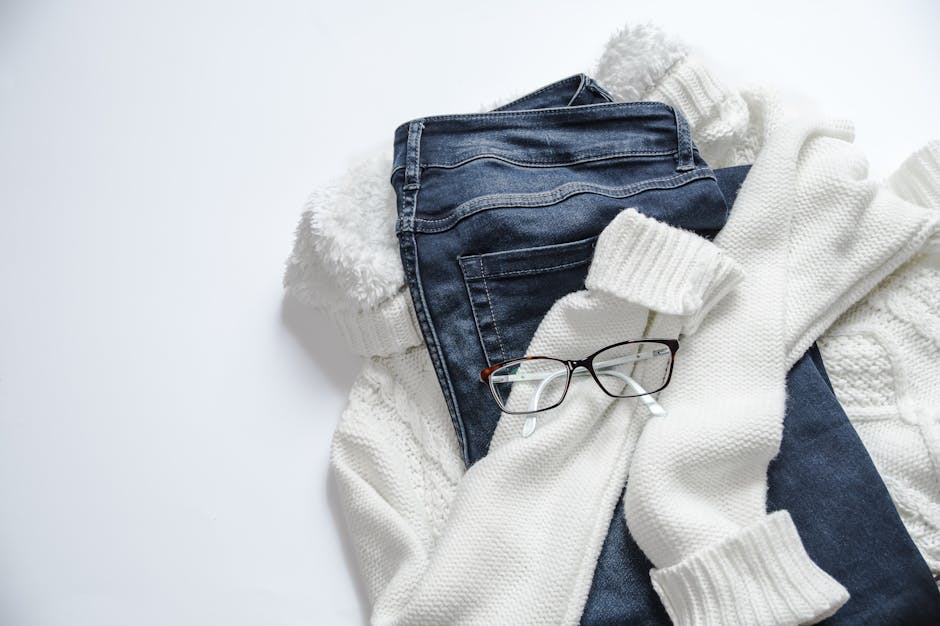
In retail, the pieces that truly earn their keep are the ones customers can wear on repeat—styled differently, layered easily, and suited to real life. Whether you’re curating your own closet or shopping with intention, a capsule wardrobe makes getting dressed faster, reduces impulse buys, and keeps your look polished across seasons. The goal isn’t to own less just for the sake of it; it’s to own better—items that feel comfortable, elevate your personal style, and work for multiple occasions.
At The Rhythm Hut, we love fashion that moves with you—effortless silhouettes, soft textures, and versatile staples that shift from weekday to weekend. Below is a practical guide to building a boutique-ready capsule wardrobe, with specific outfit formulas and fabric-forward picks that stay relevant year after year.
What Makes a Capsule Wardrobe “Retail-Ready”?
A strong capsule wardrobe is built around a few consistent principles:
- Mix-and-match compatibility: Most tops should work with most bottoms.
- Quality over quantity: Fabric, construction, and fit matter more than trend cycles.
- Seasonless foundations: Items that layer well and can be restyled for different weather.
- Occasion flexibility: Pieces that transition from casual to elevated with simple swaps.
If you’re looking for a cohesive wardrobe that leans modern, minimal, and tactile, exploring a refined womenswear edit such as By Freer’s contemporary essentials can help you identify the types of elevated basics that anchor a capsule.
The Core Capsule: 12–15 Pieces That Do the Heavy Lifting
You can build a functional capsule with surprisingly few items. Start with a palette you’ll actually wear (neutrals plus one or two accent colors), then focus on these categories:
- 2–3 tops for layering: knit tops, lightweight long sleeves, refined tees
- 1–2 elevated tops: silk or satin-style blouses for dressier moments
- 2 bottoms: one structured (jeans or tailored trousers) and one soft (velvet or wide-leg knit)
- 1 versatile dress or skirt: simple shape that can be layered
- 2 outer layers: a tailored blazer or jacket plus a cozy knit layer
- 2 shoes: one everyday flat/sneaker and one heeled boot/loafer
- 1–2 accessories: belt, structured bag, minimal jewelry
Why fabrics matter more than trends
Capsule wardrobes succeed when the fabrics feel good and wear well. Cotton knits, silk, velvet, and cashmere are not only comfortable; they photograph beautifully, hold shape better than many synthetics, and instantly elevate even simple outfits. Retail stylists often lean on fabric texture to add depth without adding visual clutter—especially for neutral outfits.
Outfit Formula #1: The “Polished Errands” Look
This is the outfit you can wear to the grocery store, a casual meeting, or a coffee run without feeling underdressed:
- Base: a fitted knit top or refined long sleeve
- Bottom: relaxed straight-leg denim or tailored trousers
- Layer: blazer, shacket, or lightweight coat
- Finish: clean sneaker + structured tote
If you want that clean, styled effect with minimal effort, look for elevated basics in a curated selection of women’s knit tops. The right knit adds structure while still feeling comfortable—perfect for daily wear.
Outfit Formula #2: Soft Texture, High Impact (Velvet Done Right)
Velvet is one of the easiest ways to make a capsule wardrobe feel intentional. It adds depth, catches light beautifully, and instantly makes an outfit feel “special” without extra accessories. The key is choosing modern silhouettes—think wide-leg, straight-leg, or softly tailored shapes rather than overly formal cuts.
Try this pairing:
- Top: simple knit or silky blouse
- Bottom: velvet pants in a rich neutral (black, espresso, deep navy)
- Shoes: ankle boot or sleek loafer
- Outerwear: structured coat or cropped jacket
For shoppers building a capsule that transitions easily into evening plans, a well-cut pair from a collection of velvet pants for women can become a go-to hero piece—wearable in fall and winter, and still useful on cool spring nights.
Outfit Formula #3: Desk to Dinner with a Silk Top
Silk (or silk-like) tops are capsule gold because they do multiple jobs: they look professional under a blazer, feel breathable indoors, and instantly dress up denim for dinner. Choose solid colors or subtle prints so the piece doesn’t feel tied to a single season.
Simple styling roadmap:
- Work mode: silk top + tailored trousers + blazer
- After hours: silk top half-tucked into jeans + statement earrings + heeled boot
If you’re adding just one “elevated top” to your wardrobe this season, browse a versatile assortment of silk tops and prioritize a flattering neckline and a drape that feels effortless rather than fussy.
Outfit Formula #4: The Cozy-Luxe Layer (Cashmere as a Capsule Anchor)
When temperatures drop, most people default to bulkier layers that hide their shape. Cashmere solves that: it’s warm without being heavy, refined without being stiff, and it layers cleanly under coats. In a capsule wardrobe, one or two cashmere pieces can replace several “just okay” sweaters.
How to make it work across seasons:
- Winter: cashmere knit + coat + wool trousers
- Transitional months: cashmere layered over a tee with denim
- Indoor layering: lightweight cashmere for office AC or travel
For a streamlined wardrobe refresh, consider timeless options from a collection of cashmere knitwear. Neutral tones like camel, charcoal, and cream tend to offer the most styling range.
How to Choose Colors That Actually Mix
Color strategy is what makes a capsule feel “effortless” rather than random. A simple approach:
- Pick 2–3 core neutrals: black, ivory, camel, navy, gray, espresso
- Add 1–2 accent colors: olive, burgundy, slate blue, soft blush
- Keep metals consistent: mostly gold or mostly silver accessories
When in doubt, choose tops in your light neutral and bottoms in your dark neutral. This creates instant contrast and makes outfits look composed even when the pieces are simple.
Retail Styling Tips: Small Details That Make Basics Look Expensive
Stylists rely on a handful of tricks to make everyday pieces look elevated:
- Prioritize fit at the shoulders and waist: tailoring beats trendiness.
- Use texture intentionally: pair matte knits with silk sheen or velvet depth.
- Master the half-tuck: it defines the waist and creates shape.
- Limit the “loud” elements: one statement piece per outfit (shoes, bag, or earrings).
- Repeat a silhouette: if wide-leg pants flatter you, build multiple outfits around them.
FAQ
How many pieces should a capsule wardrobe include?
Most people do well with 12–20 core pieces per season, plus a few year-round staples. Start smaller and expand only when you notice a true gap.
What are the best fabrics for a long-lasting capsule wardrobe?
Look for natural or high-quality blends such as cashmere, silk, cotton knits, and velvet. These tend to drape better, feel better, and elevate simple outfits.
Can a capsule wardrobe still include trend pieces?
Yes—keep trends to 10–20% of your wardrobe. Choose trends in accessories or one standout garment so the rest of your capsule stays timeless.
How do I avoid getting bored with a small wardrobe?
Rotate styling rather than replacing items: switch shoes, add a belt, layer differently, or change your jewelry. Texture mixing (knit + silk, velvet + cashmere) also creates variety quickly.
Conclusion
A boutique-ready capsule wardrobe is less about restriction and more about clarity: knowing what you love, what fits, and what you’ll actually wear. By focusing on versatile shapes and elevated fabrics—knits for daily structure, silk for instant polish, velvet for rich texture, and cashmere for cozy refinement—you can create outfits that move smoothly from errands to evenings without overstuffing your closet. Start with a few anchor pieces, build around a consistent color palette, and let quality lead the way.
Leave a Reply