
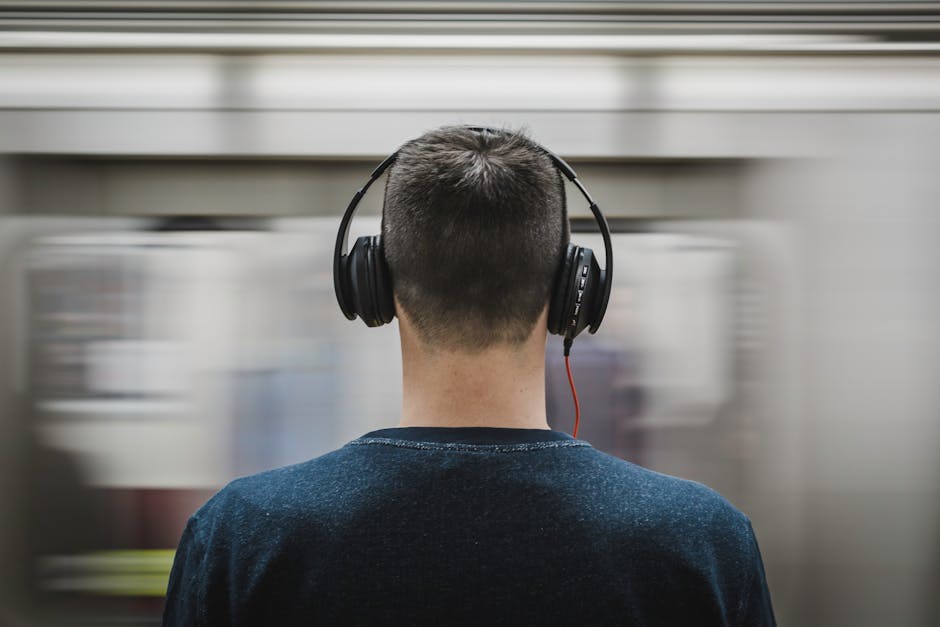
Most wellness advice assumes you have spare time. Like you’re going to light a candle, put your phone on airplane mode, and do a 45-minute routine before sunrise. Meanwhile, you’re… commuting. Driving, riding a train, walking to the bus, sitting in traffic, or zig-zagging through your neighborhood like you’re in a real-life obstacle course.
Here’s the underrated truth: your commute is already a daily ritual. It’s just not designed to help you feel better. But with a few simple tweaks, you can turn 10–40 minutes of “dead time” into a repeatable nervous system reset that lowers stress, improves mood, and helps you show up less frazzled—without adding anything to your schedule.
This post gives you a creative, specific approach to commute wellness: a 20-minute “reset” protocol you can tailor to driving, public transit, biking, or walking. It’s casual, practical, and built for real life.
Why the commute messes with your nervous system (and why that matters)
Commuting is a perfect storm of low-control stressors: time pressure, noise, crowds, unpredictable delays, and constant switching between “I need to move” and “I’m stuck.” Even if nothing dramatic happens, the body can treat it like a mini threat scenario: heart rate climbs, jaw tightens, breathing gets shallow, and attention becomes hypervigilant.
Over time, that daily spike can contribute to that end-of-day feeling of being “wired and tired.” Research often links longer commutes with lower life satisfaction and higher stress. But the goal here isn’t to romanticize a rough commute—it’s to reclaim it.
The 20-minute Nervous System Reset Commute (NSRC)
This is a flexible structure, not a rigid routine. You’re aiming for three outcomes:
- Downshift from stress reactivity (fight/flight) into steadier regulation
- Clear mental residue (rumination, doom-scrolling, work replay)
- Arrive with a body that feels more “safe” than “braced”
If your commute is shorter than 20 minutes, do a compressed version. If it’s longer, repeat the middle section or mix and match tools.
Minute 0–3: The “Arrival Buffer” (before you even start moving)
This is the smallest step that makes the biggest difference: a buffer before the commute begins (or before you exit the car/train at the end). It prevents your nervous system from being yanked from one context to another.
- Do one slow exhale that’s longer than your inhale (example: inhale 4 seconds, exhale 6–8 seconds). Repeat 3 times.
- Unclench check: tongue off the roof of your mouth, shoulders down, hands relaxed.
- Pick a “commute intention”: one word like “steady,” “spacious,” or “patient.”
Real-world example: If you drive, do this in your parked car before you start the engine. If you’re on transit, do it at the stop while you wait (it looks like… nothing).
Minute 3–12: The “Regulation Loop” (your main reset)
This is where you actively help your body shift gears. Choose one of the loops below depending on your commute type and what feels safe.
Loop A (Driving): Two-Sense Anchor + Exhale Ratio
Driving demands attention, so we’re not doing anything distracting. This is simple, repeatable, and keeps your focus on the road.
- Two-sense anchor: name (in your head) one thing you see (e.g., “green light”) and one thing you feel (e.g., “hands on wheel”). Alternate every 20–30 seconds.
- Exhale ratio: keep your exhale slightly longer than your inhale for 3–5 minutes.
- Jaw reset: at each red light, let your jaw hang loose for one breath cycle.
Actionable tip: If you notice you’re gripping the wheel like you’re wrestling it, soften your fingers first. The shoulders will follow.
Loop B (Transit): “Crowd Calm” Peripheral Vision + Soft Focus
If public transit makes you tense, your body is often stuck in scanning mode. Peripheral vision is a sneaky way to send a “safe enough” signal.
- Widen your gaze: instead of locking onto your phone, gently notice your left and right edges of vision for 60 seconds.
- Soft focus: pick a neutral object (a pole, sign, or seat pattern) and let your eyes rest there without staring.
- Micro-release: on each exhale, relax one small area: eyebrows, shoulders, belly, hands.
Real-world example: If you’re packed shoulder-to-shoulder, you can still do peripheral vision and micro-releases without moving at all. Nobody needs to know you’re doing “nervous system work.”
Loop C (Walking/Biking): The 3-2-1 Grounding Walk
This one uses gentle sensory attention to pull you out of rumination.
- 3 things you can see (colors, shapes, movement)
- 2 things you can hear (footsteps, wind, distant traffic)
- 1 thing you can feel (feet in shoes, air on skin)
Repeat the cycle for 5–8 minutes. If you bike, do this only when safe (open paths, low traffic), and keep your attention primarily on the road.
Minute 12–18: The “Cognitive Cleanse” (stop carrying the day in your head)
This is where you reduce the mental clutter that turns a commute into a replay session of everything that went wrong (or might go wrong).
Pick one:
- The 2-Line Journal (notes app or mental): Line 1: “What I’m thinking about is…” Line 2: “What I need next is…” Keep it short. The goal is clarity, not poetry.
- Audio boundary: choose a playlist or podcast that matches the direction you want your mood to go (calmer in the morning, decompression after work). Avoid rage-news if you’re already tense.
- “Name it to tame it”: silently label what’s happening: “stress,” “worry,” “overthinking.” Labeling emotions can reduce their intensity by shifting activity toward more regulated brain processing.
If you want a solid overview of grounding and calming techniques that pair well with this section, Verywell Mind’s mental health tools and coping resources are a helpful reference point for exploring options and finding what fits you.
Minute 18–20: The “Arrival Ritual” (so you don’t bring commute energy inside)
This is the part most people skip—and then wonder why they feel restless even after getting home.
- Threshold breath: before you step into work/home, take one slow breath and intentionally lengthen the exhale.
- Shoulder drop cue: as you touch the door handle, relax your shoulders. Make it automatic.
- One-sentence transition: “I’m here now.” Say it quietly or in your head.
Real-world example: If you pick up your kids after work, do a 10-second arrival ritual in the car before you open the door. You’re more likely to greet them with warmth instead of leftover traffic frustration.
Make it stick: set up your commute like a wellness routine
A reset commute works best when it’s frictionless. A few setup ideas:
- Create a “commute-only” audio folder with two moods: “Downshift” (calm music) and “Lift” (energizing but not chaotic).
- Use location triggers: the same intersection or station = start exhale ratio. The same parking spot = arrival ritual.
- Track one metric for 7 days: rate your stress on arrival from 1–10. Don’t overthink it—just notice patterns.
Data point you can collect: If your average arrival stress drops even 1–2 points after a week, that’s meaningful. A small daily reduction compounds into better evenings, better sleep readiness, and less snapping at people you actually like.
Common obstacles (and how to deal)
“My commute is chaos. There’s no way I can relax.”
You don’t need to relax. You need to regulate. Think “a notch calmer,” not “zen monk.” Start with a 30-second exhale ratio and build from there.
“I keep forgetting to do it.”
Pick one tiny anchor and attach it to something you already do:
- Seatbelt click = 3 slow exhales
- First stoplight = jaw reset
- Train doors closing = widen gaze for 60 seconds
“I get motion sick if I do anything with my eyes.”
Skip visual exercises and go with breath + body sensation. Try relaxing your hands, shoulders, and belly on each exhale.
Conclusion: Your commute can be your daily reset button
You don’t need a new habit stacked on top of your already-full day. You need a smarter use of the time you’re already spending. Turning your commute into a 20-minute nervous system reset can help you arrive calmer, think clearer, and stop dragging stress from place to place.
Start simple: one longer exhale, one two-sense anchor, one arrival ritual. Do it for a week, track how you feel when you get where you’re going, and tweak from there. Your commute might never be fun—but it can absolutely become supportive.
Leave a Reply