
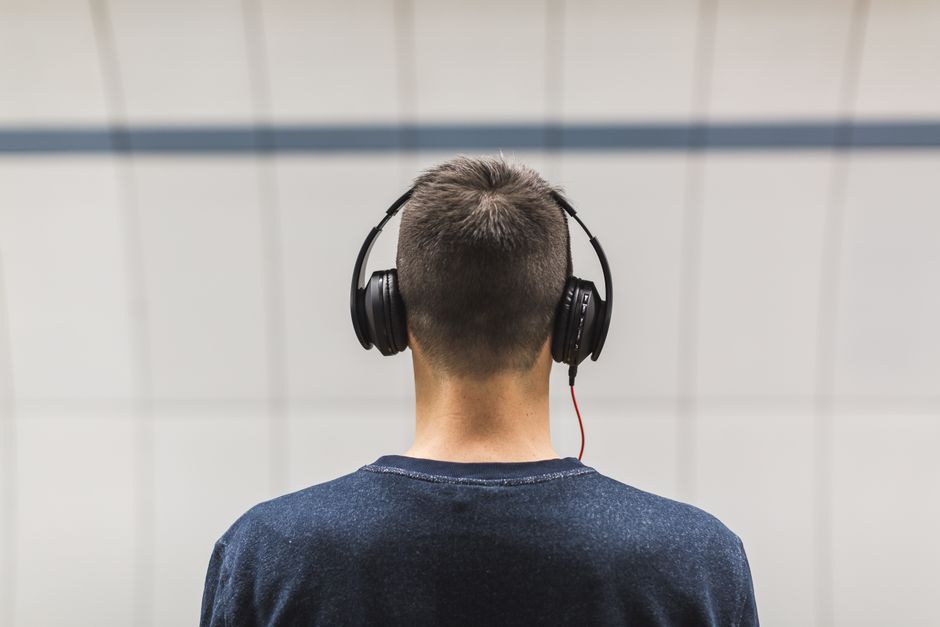
Noise is one of the most underestimated forces shaping modern life. We talk about diet, sleep, and exercise—yet we often ignore the constant layer of sound that surrounds us, from traffic rumble and open-office chatter to notification pings and background TV. The result isn’t just annoyance: unmanaged sound can quietly drain attention, increase irritability, and make rest feel less restorative.
This is where a simple, creative practice can help: a daily “sound snack.” Think of it as a short, intentional routine (about 20 minutes) that uses carefully chosen sound to reset your nervous system and sharpen your focus—without needing special gear or musical training. It’s not meditation in the strict sense, and it’s not just “listen to music.” It’s a structured micro-habit designed for real life.
What Is a “Sound Snack” (and Why It Works)?
A sound snack is a brief, repeatable listening-and-breathing routine that uses three sound textures—quiet, nature, and rhythm—to guide your brain from overload to clarity. It works because your attention system responds strongly to auditory cues. Certain soundscapes can reduce perceived stress, while stable rhythms can make it easier to concentrate and sustain effort.
Noise exposure also has measurable downsides. Research and public health guidance frequently emphasize that chronic noise can affect sleep quality and wellbeing. For an accessible overview of environmental noise and why it matters, see National Geographic’s reporting on noise and the modern soundscape—a useful starting point for understanding why intentional listening is more than a lifestyle trend.
The 20-Minute Sound Snack Routine (Step-by-Step)
You’ll rotate through three phases. The goal is not perfect silence or “empty mind.” The goal is to nudge your state from scattered to steady.
Phase 1 (3 minutes): “Threshold Quiet”
What you do: Put your phone on Do Not Disturb. Sit comfortably. Don’t play anything yet. Notice the loudest sound in your environment, then the quietest. Repeat this shift in attention a few times.
Why it helps: This is a quick attentional reset. Instead of fighting sound, you map it. That reduces reactivity and makes the next phases more effective.
- Tip: If you’re in a noisy place, use earplugs or noise-canceling headphones with no audio for these 3 minutes.
- Micro-goal: Identify 5 distinct sounds (HVAC, birds, distant voices, footsteps, etc.).
Phase 2 (7 minutes): Nature Layer (Low-Information Sound)
What you do: Play a nature soundscape: rainfall, ocean, wind in trees, or a steady stream. Keep it at a low volume—loud enough to mask sudden distractions, quiet enough to fade into the background.
Why it helps: Nature audio is “low information” compared to speech. Your brain doesn’t have to decode words, which often hijacks attention. This makes it ideal for downshifting stress and preparing for focused work.
- Actionable setting: Aim for a volume where you can still hear someone call your name from across the room.
- Best use case: Transition moments—before deep work, after meetings, or right after commuting.
Phase 3 (10 minutes): Rhythm Layer (Focus Fuel)
What you do: Switch to a steady rhythmic track with minimal lyrics—lo-fi beats, soft electronic, instrumental hip-hop, handpan, or even a metronome. Choose a tempo that matches your task:
- 60–80 BPM: writing, planning, reading
- 90–110 BPM: admin tasks, emails, cleaning
- 120–140 BPM: exercise warm-ups, brisk walks, energizing resets
Why it helps: A stable beat creates a predictable structure your brain can lock onto. Many people find it easier to sustain attention when the auditory environment is consistent and nonverbal.
- Quick test: If you start “following the melody” instead of working, the track is too engaging—switch to something simpler.
- Tool option: A basic metronome app at 70–90 BPM can be surprisingly effective for reading and drafting.
Make It Work in Real Life: Three Sound Snack Templates
Here are practical templates you can copy, depending on your day.
1) The Open-Office Shield (20 minutes before deep work)
- 3 min: Threshold Quiet with noise-canceling on, no audio
- 7 min: “Rain on window” or “steady fan” soundscape
- 10 min: Instrumental lo-fi at 70–85 BPM
Real-world example: If you work near a high-traffic walkway, sudden conversations can break concentration. A low-volume rain layer masks speech peaks, while the later rhythm keeps your work pace consistent.
2) The Post-Commute Reset (20 minutes after you get home)
- 3 min: Threshold Quiet (sit in your car or at entryway, eyes open)
- 7 min: Ocean waves or wind-through-trees
- 10 min: Soft percussion or handpan (minimal melodic movement)
Real-world example: Many people bring “road stress” into the home—short temper, mental replay of traffic, or doomscrolling. A structured audio transition helps you change contexts deliberately instead of carrying the commute into your evening.
3) The Midday Slump Rescue (20 minutes instead of a second coffee)
- 3 min: Threshold Quiet + 6 slow breaths
- 7 min: Stream/river sound at moderate masking level
- 10 min: Upbeat instrumental at 100–120 BPM while you tidy your desk or do light movement
Real-world example: If your productivity collapses around 2–3 p.m., you may not need more caffeine—you may need a state change. Pairing rhythm with light movement can quickly restore alertness without the jittery side effects.
How to Choose the Right Sounds (So It Doesn’t Backfire)
Not all audio improves focus. The wrong sound can increase mental load. Use these rules to select wisely.
Rule 1: Avoid speech when you need to read or write
Podcasts, talk radio, and lyrical music compete with language processing. If your task involves words, choose sound without words.
Rule 2: Prioritize consistency over novelty
Your brain wakes up for change. A playlist with frequent surprises can interrupt flow. For focus, pick long, stable tracks or soundscapes that don’t “drop” dramatically.
Rule 3: Set a volume ceiling
If you finish the session with ringing ears or a headache, it was too loud. A good sound snack should feel like a supportive environment, not a concert.
Rule 4: Match tempo to task difficulty
Hard thinking often benefits from slower, steadier rhythms. Faster tempos can be excellent for routine tasks but may feel pushy during deep problem-solving.
Track Results in 30 Seconds (So You Know It’s Working)
To keep this practice grounded, measure it lightly. After each sound snack, rate:
- Focus: 1–10
- Stress: 1–10
- Energy: 1–10
Do this for 7 days. Patterns show up quickly. If stress drops but energy stays low, shorten Phase 2 and increase Phase 3 tempo slightly. If energy rises but focus worsens, switch to simpler rhythm or remove melodic elements.
Common Mistakes (and Quick Fixes)
- Mistake: Treating the routine like background noise while multitasking.
Fix: For Phase 1 and 2, do only listening and breathing. Multitask only in Phase 3 if needed. - Mistake: Choosing “favorite songs” that trigger memories.
Fix: Use unfamiliar instrumentals or neutral soundscapes for the routine. - Mistake: Expecting instant calm every time.
Fix: Aim for a 10–20% improvement in state, not perfection. Consistency compounds.
Conclusion: Build a Healthier Sound Environment One Small Routine at a Time
We can’t always control the world’s noise, but we can control our relationship to it. The 20-minute sound snack routine is a practical way to reduce auditory stress, reset attention, and create smoother transitions between the parts of your day. Start with one daily session for a week, keep the sounds simple, and adjust tempo and volume based on your results. Small, intentional choices about sound can produce outsized gains in clarity—especially in a life that rarely gets quieter on its own.
Leave a Reply