
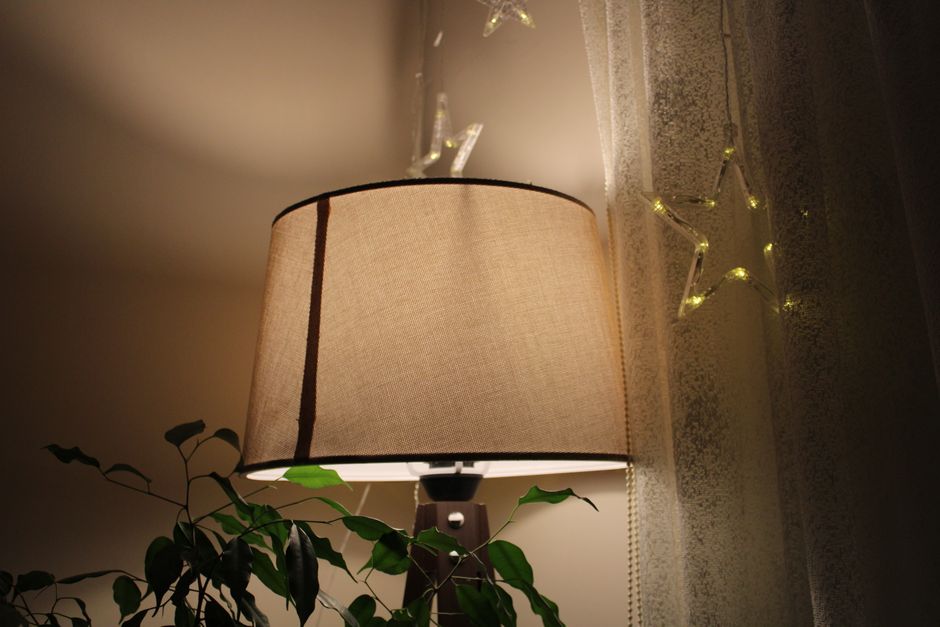
Some days your home feels like a cozy studio apartment in a movie. Other days it feels like a loud group chat you can’t mute. Instead of forcing a full “reset day” (aka the Saturday black hole where you clean for three hours and still feel behind), try mood syncing: quick, repeatable micro-rituals that adjust your space to match your energy right now.
This roundup pulls together practical ideas you can do in 2–15 minutes, with real-life examples and tiny “why it works” notes. Think of it as lifestyle DJ-ing: you’re not changing your entire life—just changing the track.
What “Mood Syncing” Means (and Why It’s Trending)
Mood syncing is the habit of using small environmental cues—light, sound, scent, layout, and micro-tidying—to nudge your nervous system. It’s popular right now because people are tired of all-or-nothing wellness. Micro-rituals are easier to start, easier to repeat, and they actually fit modern life.
Data point worth remembering: behavior research consistently shows starting small increases follow-through. You don’t need a perfect routine; you need a reliable “on-ramp.”
11 Micro-Rituals to Match Your Home to Your Mood
1) The “Two-Surface Reset” (2–5 minutes)
Do this: pick two surfaces you touch constantly—usually a counter and a table, or a desk and nightstand. Clear them to “functional tidy,” not museum-level clean.
- Throw out obvious trash.
- Return 5–10 items to their homes.
- Wipe with a damp cloth if you can.
Why it works: your brain reads visible surfaces as “the state of things.” Clearing two areas creates instant relief without the pressure of the whole room.
Real-world example: If your kitchen stresses you out, reset the sink edge and one counter. That’s enough to make making breakfast feel doable tomorrow.
2) “Light Swap” for a Fast Nervous System Shift (1 minute)
Do this: change your lighting based on the mood you want, not the time of day.
- Need energy: open blinds, turn on overheads, brighten a lamp.
- Need calm: turn off overheads, use one warm lamp, close blinds if needed.
Why it works: lighting is one of the quickest environmental levers for focus vs. unwind.
3) The “Soundtrack Switch” (3 minutes)
Do this: pick a “mode” playlist you can reuse: focus, cozy, reset, or hype-clean. Set a timer for 10 minutes and let the soundtrack drive the vibe.
- Focus mode: instrumental / lo-fi.
- Reset mode: anything with a steady beat you can move to.
- Cozy mode: softer, slower tracks.
Actionable tip: name playlists by function (“10-Min Reset”) instead of genre so you don’t have to think.
4) The “Scent Anchor” Trick (2 minutes)
Do this: choose one scent that means “home is safe” to you—tea, a candle, a specific soap. Use it consistently when you want to downshift.
Why it works: scent is strongly tied to memory and emotion. Repeating one scent during calm moments can make it an anchor you can return to.
Budget-friendly option: simmer citrus peels + cinnamon in a pot for 10 minutes, then turn off heat.
5) “Doorway Decisions”: Stop Clutter at the Border (5 minutes)
Do this: pick one doorway (front door, bedroom door, office entry). Place a tiny “decision station” there—hook, basket, tray, or one shelf.
- Keys live here.
- Headphones live here.
- Wallet/badge lives here.
Why it works: clutter multiplies when items don’t have a landing zone. A doorway station prevents the “I’ll put this down for a sec” spiral.
6) The “One-Bag Roam” (10 minutes)
Do this: grab a tote bag or grocery bag. Walk room-to-room and collect anything that’s clearly out of place. Then do one lap returning items.
Why it works: it turns cleaning into a single-purpose mission and reduces decision fatigue.
Real-world example: If you keep finding cups everywhere, you’ll spot the pattern fast—then you can decide whether you need a water bottle habit or an extra kitchen trip after meals.
7) “Micro-Zones” for the People Who Hate Organizing (15 minutes)
Do this: instead of organizing an entire room, create one micro-zone that supports a single habit:
- Tea/coffee zone: mug + tea bags + spoon together.
- Stretch zone: mat visible, not buried.
- Charge zone: one power strip where your devices actually land.
Why it works: you’re not trying to become “an organized person.” You’re just making one habit frictionless.
8) The “3-Item Comfort Upgrade” (5 minutes)
Do this: pick three comfort items you already own and stage them where you’ll use them tonight.
- Throw blanket on the couch.
- Your comfiest socks in a visible spot.
- Your favorite mug rinsed and ready.
Why it works: comfort is often about access, not buying new stuff.
9) The “Digital Clutter = Physical Stress” Sweep (7 minutes)
Do this: pick one device and do a tiny cleanup:
- Close 15 browser tabs.
- Delete 20 screenshots.
- Unsubscribe from 5 marketing emails.
Actionable tip: if you keep screenshotting “to remember,” make one album called “Action” and review it weekly for 3 minutes.
10) “Tiny Treat Culture” (2 minutes)
Do this: add a tiny treat to a normal task so your brain stops fighting you. Examples:
- Only light your favorite candle when you fold laundry.
- Listen to your guilty-pleasure podcast only while wiping the kitchen.
- Have a fun drink (tea, seltzer, whatever) only during your 10-minute reset.
Why it works: it pairs a neutral task with a reward cue, making the habit easier to repeat.
11) The “Vibe Audit” (10 minutes, once a week)
Do this: once a week, walk your space like a guest. Ask:
- What’s the first thing I see that stresses me out?
- What’s one thing that would make this room feel 10% better?
- What keeps ending up in the wrong place?
Resource tip: if you want a quick, approachable way to spot common home-pain points (and get ideas you can steal), browsing list-style lifestyle roundups can actually be useful. Here’s one place people often use for quick, real-life hacks: BuzzFeed’s home and lifestyle roundups. The key is to take one idea—not thirty—and try it for a week.
How to Choose the Right Ritual for Your Mood (A Cheat Sheet)
If decision-making is your biggest enemy, match rituals to how you feel:
- Overstimulated: Light Swap + Scent Anchor + Two-Surface Reset.
- Unmotivated: Soundtrack Switch + One-Bag Roam (10 minutes).
- Anxious: Doorway Decisions + Micro-Zone for tomorrow morning.
- Restless: 10-minute tidy sprint (timer) + open a window for 60 seconds.
Common Mistakes (and the Fix)
- Mistake: Trying to do five rituals at once.
Fix: Pick one “starter ritual” and repeat it daily for a week. - Mistake: Buying supplies as procrastination.
Fix: Do the no-buy version first. If it sticks, then upgrade. - Mistake: Cleaning until you’re exhausted.
Fix: Stop while it still feels easy. Leave yourself wanting more.
Conclusion: Your Home Doesn’t Need a Makeover—It Needs a Minute
Mood syncing is basically permission to meet yourself where you are. A 5-minute reset, a lighting change, a quick soundtrack—these aren’t “lazy shortcuts.” They’re realistic tools for making your space support you instead of draining you.
Try this today: choose one micro-ritual from the list and do it once. Tomorrow, do the same one again. In a week, you’ll have a baseline ritual that makes your home feel like it’s on your side—even when life is loud.
Leave a Reply