
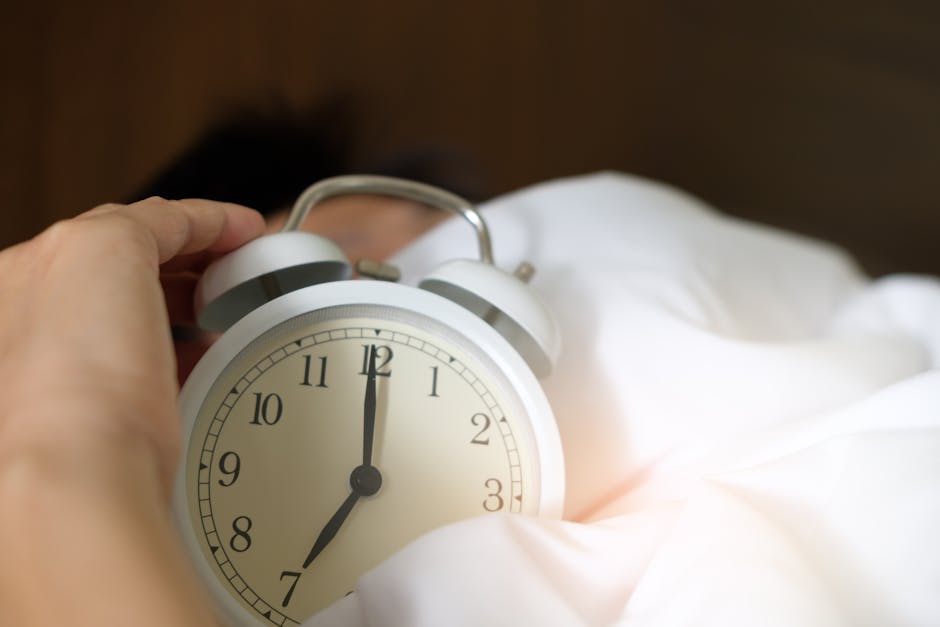
Why your morning routine needs an upgrade (and not the generic kind)
“Wake up earlier” is basically the default lifestyle advice on the internet. But the real game-changer isn’t just what time you open your eyes—it’s how you wake up and what your brain thinks that first 10 minutes means. If your mornings start with a phone alarm, a snooze spiral, and instant notifications, it’s not a personal failure. It’s a system problem.
This article compares four less-talked-about but very doable approaches to mornings—each with a different vibe, budget, and personality fit. You’ll get practical setup tips, real-life examples, and a simple way to choose what to try first.
Quick comparison: which approach matches your lifestyle?
- Sunrise alarm clock: Best if you hate harsh alarms and want a gentle wake-up without changing your whole schedule.
- Light therapy lamp: Best if you wake up in darkness, feel sluggish in winter, or work odd hours.
- “No-alarm” mornings (sleep-to-complete-cycle): Best if you have flexible mornings and want to experiment with sleep timing.
- The “micro-ritual” wake-up: Best if you wake up fine but lose the plot immediately (scrolling, decision fatigue, chaos).
Option 1: Sunrise alarm clocks (the “gentle brain hack”)
A sunrise alarm clock gradually brightens your room before your wake time, mimicking dawn. The point isn’t aesthetics—it’s signaling your body to shift out of deep sleep more smoothly.
Why people love it
- Less jarring wake-ups: You’re not being “ripped” out of sleep by sound alone.
- Better for snoozers: Many people snooze because the alarm hits during deeper sleep. A light ramp can reduce that grogginess.
- Screen-free start: If your phone is your alarm, it’s also your temptation portal.
Real-world example
If you share a room with a partner who wakes at a different time, sound alarms can turn mornings into a mini war. A sunrise clock can be less disruptive (especially if you set a low-volume backup sound after the light ramp). People who are sensitive to noise often report fewer “angry wake-ups,” which is underrated relationship maintenance.
Setup tips that actually work
- Start with a 20–30 minute light ramp rather than the shortest setting. Too fast feels like someone flicked on a ceiling light.
- Place it at eye level-ish on a bedside table, not across the room behind a plant. Light has to reach you.
- Use a “soft sound” backup (birds, chimes) 5 minutes after full brightness if you’re a heavy sleeper.
Downsides to consider
- It’s not magic in a bright room: If you already wake with strong morning sun, the benefit may be minimal.
- Cost: Quality models can be pricier than a basic alarm clock.
Option 2: Light therapy lamps (the “season-proof energy plan”)
Light therapy is often associated with seasonal mood shifts, but it’s also a practical tool for anyone who wakes up when it’s dark outside—winter mornings, early shifts, or rooms with limited natural light. A typical light therapy lamp is designed to deliver bright illumination (often marketed as 10,000 lux) at a specific distance.
Where it shines (pun intended)
- Winter sluggishness: When mornings are dark, your body can feel like it’s still nighttime even after you’re technically awake.
- Shift work or jet lag recovery: Light at the right time can help your body clock adjust.
- Low-light apartments: If your windows face a brick wall, this can be a legit quality-of-life fix.
Actionable routine: the “coffee + light” combo
- Turn on the lamp within 10 minutes of waking.
- Sit near it (per product instructions) for 15–25 minutes.
- Do something low-focus: coffee, journaling, reading, planning your day.
- Avoid staring directly into the light; let it hit your eyes indirectly.
Data point to keep you honest
Many people quit because they expect instant transformation. Treat it like a gym routine: consistency beats intensity. Track two things for 10 days: your “wake-up ease” (1–10) and your mid-morning slump time. You’ll know quickly if it’s helping.
A style/lifestyle angle that makes it easier to stick to
People are more consistent with habits that feel integrated into their space. If you want your home to support your routines (instead of fighting them), it helps to think about design and daily rituals together. For inspiration on how everyday objects and routines can blend into a lifestyle aesthetic, check out Vogue’s lifestyle and wellness coverage—it’s a surprisingly useful way to make practical habits feel more “you.”
Downsides to consider
- Space and glare: Some lamps are bulky or too bright for small desks.
- Timing matters: Using it too late in the day can mess with bedtime for some people.
Option 3: “No-alarm” mornings (the sleep-cycle strategy)
Let’s clarify: “no-alarm” doesn’t mean “no responsibilities.” It means you design your sleep window so your body can wake naturally—often by aligning sleep with complete cycles. A common rule of thumb is that sleep cycles average about 90 minutes (varies by person), and waking between cycles tends to feel easier than waking mid-cycle.
Who this works for
- Remote workers with flexible start times
- People who can choose earlier bedtimes consistently
- Anyone who wants to reduce alarm dependence (and morning stress)
How to try it without risking your entire week
- Start on a weekend and track when you naturally wake.
- Count backwards in 90-minute blocks from your ideal wake time (e.g., 6:30 a.m. → 5 cycles = 7.5 hours; 6 cycles = 9 hours).
- Add 15 minutes for falling asleep. (Most people forget this and end up short.)
- Use an alarm as a safety net for the first week, set 15 minutes after your target wake.
Real-world example
If you keep waking at 3:00 a.m. or 4:00 a.m. for no reason, it might not be “random insomnia.” Sometimes it’s stress; sometimes it’s temperature; sometimes it’s that your body clock is drifting earlier. A no-alarm experiment can reveal whether your natural wake time is shifting and whether you’d feel better moving bedtime earlier rather than forcing a late-night schedule.
Downsides to consider
- Not realistic for rigid schedules: If you have to be out the door at 6:45 a.m., you’ll still need a reliable alarm.
- Social friction: Earlier bedtime can collide with your “life admin” hours—friends, shows, chores.
Option 4: The micro-ritual wake-up (a routine that fits in your pocket)
This approach is for people who can wake up but can’t start. You know the feeling: you’re technically awake, but your brain is sticky. The micro-ritual method uses a tiny repeatable sequence to reduce decision fatigue and keep your morning from collapsing into scrolling.
What a micro-ritual looks like (examples)
- “Water + window”: Drink a full glass of water, then stand by a window for 60 seconds of daylight exposure.
- “Brush + playlist”: Brush teeth while one specific song plays—same song for a month.
- “Three-line journal”: Write (1) what matters today, (2) what could derail me, (3) the first tiny step.
Actionable tip: build it like a shortcut, not a masterpiece
- Keep it under 3 minutes.
- Make it visible: water glass on the counter, journal open on the table, shoes by the door.
- Make it repeatable: same steps, same order, no thinking required.
Why it works
When your first action is consistent, your brain stops negotiating. You’re not asking “What should I do now?” You’re just executing the script. That small win often creates momentum for bigger habits: stretching, breakfast, a quick walk, or a focused start to work.
Downsides to consider
- It won’t fix sleep deprivation: If you’re running on 5 hours nightly, no ritual will make you feel amazing.
- It requires upfront simplicity: People over-design these and then abandon them.
How to choose the best option (without overthinking it)
Pick based on your main morning problem:
- “Waking up feels painful.” Try a sunrise alarm clock.
- “I’m awake but feel gray and foggy for hours.” Try light therapy for 10 days.
- “I wake up okay on weekends but awful on weekdays.” Try a sleep-cycle/no-alarm experiment and stabilize bedtime.
- “I wake up and immediately waste 45 minutes.” Try a micro-ritual and move your phone charger out of reach.
Conclusion: a better morning is usually a better system
Mornings don’t need to be aesthetic, intense, or perfect—they just need to be repeatable. Whether you go for a sunrise alarm, a light therapy lamp, a no-alarm sleep-cycle plan, or a tiny micro-ritual, the win is creating a wake-up routine that works with your brain instead of against it.
If you want the simplest next step: choose one method, commit for 10 days, and track one metric (wake-up ease, snooze count, or time-to-focus). Your body will give you the verdict.
Leave a Reply